

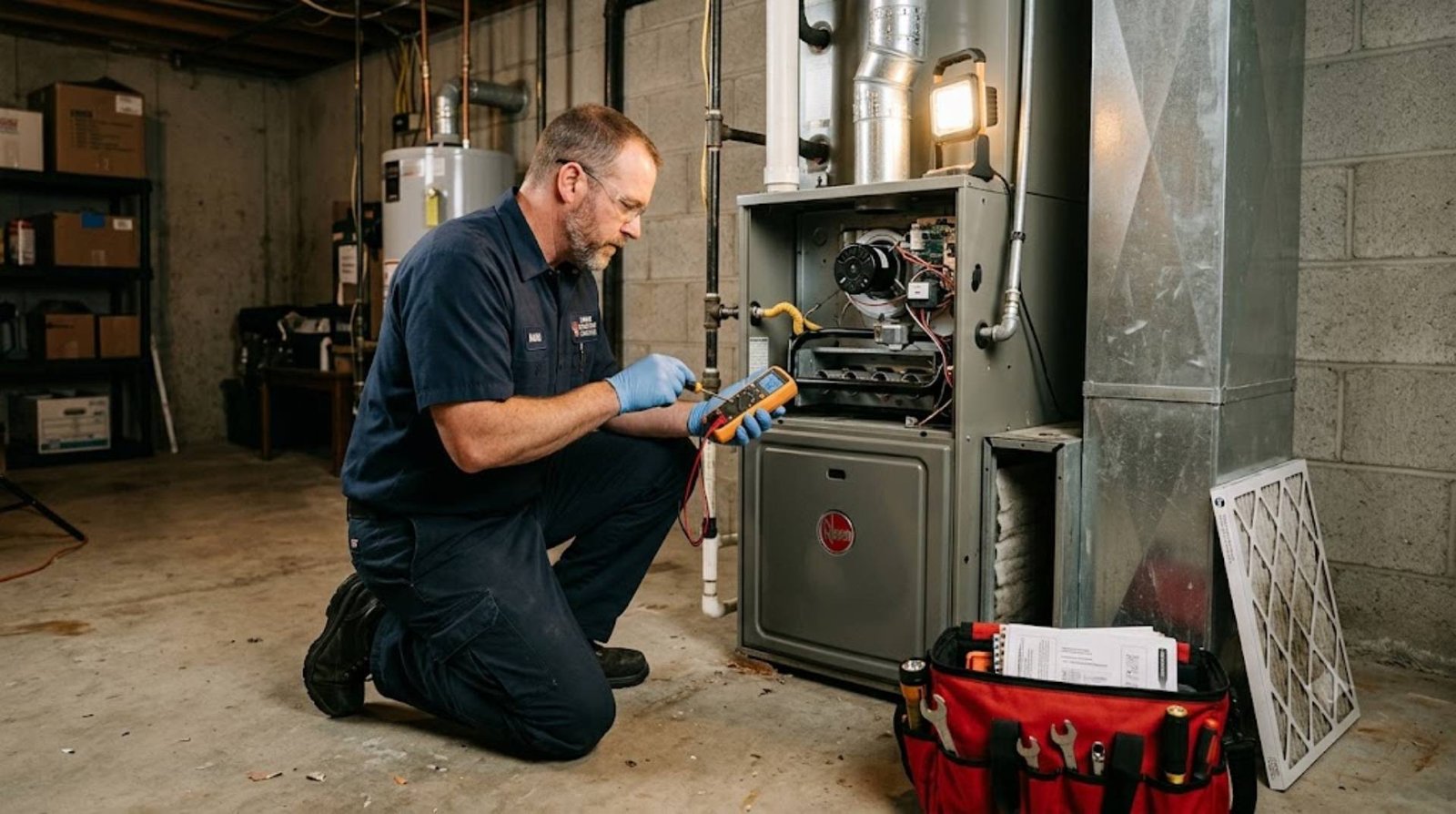
Furnace problems often begin with small warning signs, such as weak airflow, unusual noises, or uneven heating. Addressing these issuesfort, lower energy waste, and prevent expensive breakdowns. Learn the most common furnace faults, what causes them, and how routine maintenance helps keep repairs manageable this winter.
A furnace rarely fails without warning. Reduced heat, short cycling, strange smells, and rising utility bills often appear before a complete breakdown. Recognizing these early signs helps homeowners take action before small issues turn into costly repairs. Regular filter changes, thermostat checks, and professional maintenance can improve system reliability and efficiency. When problems continue or your furnace needs expert attention, contacting a trusted Winston, OR heating service can help ensure the system is properly inspected, repaired, and operating safely.
Common Furnace Problems That Can Become Expensive
1. Dirty or Clogged Air Filters
A dirty air filter is one of the most common causes of furnace trouble. As dust and debris collect, airflow becomes restricted and the furnace must work harder to distribute warm air. This added strain can increase energy use, reduce indoor comfort, and cause the system to overheat.
Check the filter every month during periods of regular use. Replace it according to the furnace manufacturer’s instructions. Homes with pets, heavy dust, or frequent heating use may require more frequent filter changes.
2. Thermostat Malfunctions
A thermostat problem can make a properly functioning furnace appear unreliable. Incorrect settings, weak batteries, loose connections, or inaccurate temperature readings may cause uneven heating or frequent cycling.
Confirm that the thermostat is set to heat and that the selected temperature is higher than the current room temperature. Replace old batteries and check whether the display is working normally. If the thermostat continues to provide inaccurate readings, it may need professional testing or replacement.
3. Ignition or Pilot Light Problems
Gas furnaces need a reliable ignition source to produce heat. A worn igniter, dirty flame sensor, interrupted gas supply, or faulty control can prevent the burners from operating correctly.
Repeated clicking, delayed ignition, or cool air coming from the vents may indicate an ignition problem. Because these components involve gas, electricity, and combustion, homeowners should avoid attempting internal repairs. A trained HVAC technician can inspect the system and complete the work safely.
4. Frequent Short Cycling
Short cycling occurs when the furnace starts and stops before completing a normal heating cycle. It may be caused by restricted airflow, thermostat errors, overheating, or a system that is not properly sized for the home.
Frequent starting places added stress on motors, switches, and electrical controls. Begin by checking the filter and thermostat settings. If the furnace continues turning on and off repeatedly, arrange an inspection before further damage develops.
5. Weak or Uneven Airflow
Low airflow can make some rooms feel cold while others become too warm. Common causes include blocked vents, dirty filters, leaking ductwork, or a struggling blower motor.
Keep supply and return vents open and remove furniture, rugs, or curtains that may block them. Avoid closing several vents in unused rooms because this can disrupt system pressure. Persistent airflow problems may require professional duct or blower service.
Furnace Warning Signs You Should Not Ignore
Some furnace symptoms require prompt attention because they may indicate a safety concern or developing component failure. Watch for:
- Gas, electrical, or strong burning odors
- Loud banging, scraping, or grinding sounds
- Repeated shutdowns or failed starts
- Soot or discoloration around the furnace
- Sudden increases in heating costs
If you smell gas, leave the property and follow local emergency instructions. Do not restart the furnace, operate electrical switches, or try to locate the leak yourself.
How to Prevent Costly Furnace Repairs
Keep the Furnace Area Clean
Dust, clutter, and stored items around the furnace can restrict ventilation and make inspections more difficult. Keep the surrounding area clean and avoid placing paper, paint, cleaning products, or other flammable materials near the equipment.
A clear space also makes it easier to notice water, corrosion, loose parts, or unusual debris before the problem becomes severe.
Monitor Changes in Performance
Small changes in furnace performance often provide the first warning of a developing fault. A system that runs longer, heats more slowly, makes new noises, or cycles more frequently should not be ignored.
Make a note of when the issue began and whether it happens continuously or only at certain times. Sharing this information with a technician can support faster and more accurate diagnosis.
Arrange Preventive Furnace Maintenance
Professional maintenance allows a technician to inspect airflow, electrical connections, ignition parts, safety controls, and overall system operation. It can reveal worn components before they fail during cold weather.
Homeowners looking for dependable Winston, OR heating service should schedule a furnace tune-up before peak winter demand whenever possible. Preventive maintenance supports consistent heating, safer operation, better efficiency, and a longer equipment lifespan.
When Furnace Replacement May Be More Practical
Repair is not always the most cost-effective choice. An older furnace that needs frequent service, produces uneven heat, or causes steadily rising utility bills may be nearing the end of its useful life.
A qualified technician can evaluate the furnace and compare the cost of repair with the expected benefits of replacement. The system’s age, condition, efficiency, safety, and repair history should all influence the decision. Replacing an unreliable furnace before a complete breakdown can also prevent an unexpected loss of heat during colder weather.
FAQs
Why Does My Furnace Run Without Producing Enough Heat?
A dirty filter, thermostat fault, ignition problem, blocked vent, or leaking duct may reduce heating performance. Check the filter and thermostat first. Seek professional help if the air remains cool or airflow stays weak.
Can a Dirty Filter Cause a Furnace to Shut Down?
Yes. Severe airflow restriction can cause the furnace to overheat and activate a safety shutdown. Replacing the filter may restore operation, but repeated shutdowns require professional diagnosis.
How Often Should a Furnace Be Professionally Serviced?
Most furnaces benefit from annual maintenance, ideally before regular winter use begins. Always follow the manufacturer’s recommendations for the specific equipment installed in your home.
Are Unusual Furnace Noises Always Serious?
Not every sound signals a major failure, but new, loud, or persistent noises should be investigated. Scraping, grinding, banging, and repeated clicking may indicate loose, worn, or failing components.
Which Furnace Tasks Can Homeowners Handle Safely?
Homeowners can usually replace filters, check thermostat settings, keep vents open, and clean the area around the furnace. Work involving gas lines, burners, electrical components, or internal controls should be left to trained professionals.
Conclusion
Many costly furnace repairs start with small, easy-to-miss issues like dirty filters, thermostat problems, weak airflow, or short cycling. Regular maintenance, clean vents, and attention to unusual sounds can prevent breakdowns. Annual professional service helps catch worn parts early. If you notice gas odors, burning smells, or repeated shutdowns, contact a trained technician. Timely Winston, OR heating service can diagnose the issue and help determine the best repair or replacement option.