

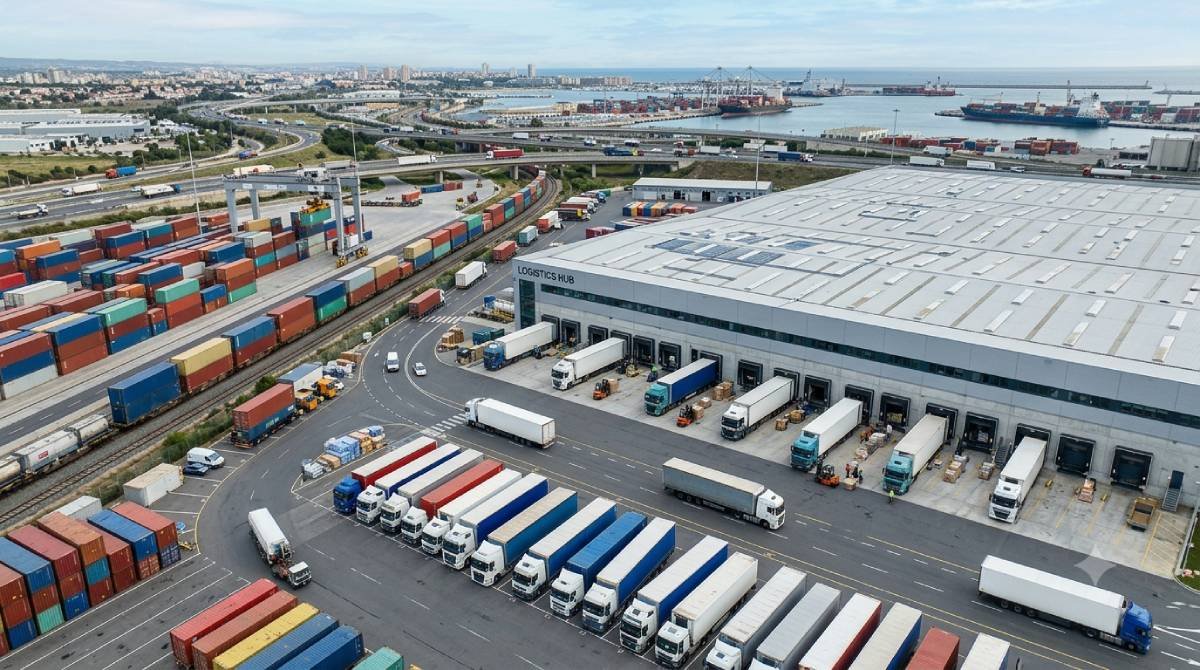
Supply chain efficiency has become a top priority for businesses operating in increasingly competitive, interconnected markets. Whether a company distributes consumer goods, industrial components, or specialist products, its ability to move inventory accurately and on time directly affects customer satisfaction, operational costs, and business performance. Professional logistics services help organisations coordinate transportation, storage, inventory handling and distribution through structured processes designed to improve reliability and reduce unnecessary disruption. Businesses evaluating logistics providers such as Tuplin should consider how effectively a potential partner can support their operational requirements, manage changing demand and maintain clear communication throughout the supply chain. A well-organised logistics strategy can do more than improve delivery performance; it can also strengthen stock control, reduce administrative pressure, and support sustainable business growth.
Why Supply Chain Efficiency Matters for Modern Businesses
An efficient supply chain ensures products and materials move through the business on time, in the right quantities, and with appropriate cost control. Delays or inaccuracies at any stage can affect production schedules, customer orders and overall profitability. Businesses that depend on reliable deliveries may face additional expenses when shipments arrive late, stock is misplaced, or transport arrangements require last-minute changes.
Supply chain efficiency therefore involves coordinating several interconnected activities rather than focusing exclusively on transportation. Purchasing, inventory management, warehousing, order processing and distribution must operate together to support consistent performance. Professional logistics services can help businesses manage these activities more effectively by introducing structured procedures, improving operational visibility and reducing avoidable inefficiencies.
How Professional Logistics Services Improve Operational Coordination
Logistics operations often involve multiple suppliers, storage locations, transport providers and delivery destinations. Managing these activities independently can create communication gaps and increase the likelihood of scheduling errors. Professional logistics management offers a more coordinated approach by setting clear responsibilities and improving information flow across the supply chain.
Effective coordination can reduce unnecessary handling, improve delivery planning and support more predictable operations. For example, aligning warehouse dispatch schedules with transport availability helps minimise delays between order preparation and collection. The benefits depend on the organisation’s requirements, but better coordination generally creates opportunities to improve service consistency and reduce operational complexity.
Improving Inventory Visibility and Stock Management
Inventory management is closely connected to logistics performance. Businesses need accurate information about stock quantities, locations and movements to fulfil orders and plan replenishment. Poor inventory visibility can lead to overstocking, stock shortages, and unnecessary storage costs.
Structured logistics processes help maintain reliable stock records through appropriate receiving, storage, picking and dispatch procedures. Where suitable, warehouse management systems can provide additional visibility into inventory movements and support more accurate reporting. These capabilities help businesses make informed purchasing decisions and respond more effectively to changing customer demand.
Reducing Transportation Delays and Delivery Disruption
Transportation delays can arise from route congestion, scheduling problems, vehicle availability, documentation errors or unexpected operational events. Although you can’t prevent every disruption, effective planning can reduce avoidable delays and improve your ability to respond when circumstances change.
Professional logistics management involves selecting appropriate transport arrangements, coordinating collections and establishing realistic delivery schedules. Clear communication is particularly important when shipments require special handling or must arrive within specific time windows. Businesses benefit from understanding potential delivery constraints early rather than discovering problems after orders have already been dispatched.
How Warehousing Supports Supply Chain Performance
Warehousing provides more than temporary storage space. A well-organised warehouse supports stock availability, order accuracy and efficient distribution. Receiving procedures, product identification, storage allocation, and picking processes all affect how quickly goods move through the supply chain.
Poor warehouse organisation can lead to misplaced inventory, repeated handling and delays in order preparation. By contrast, appropriate storage layouts and consistent operating procedures help reduce unnecessary movement and support more reliable dispatch. Businesses should assess their warehousing requirements based on product characteristics, stock turnover, order volumes and any special handling needs.
Controlling Logistics Costs Without Compromising Service
Logistics costs may include transportation, storage, labour, packaging, handling and administrative activities. Businesses sometimes focus on reducing individual expenses without considering how those decisions affect the wider supply chain. For example, choosing a cheaper transport option may raise overall costs if it causes repeated delays or requires holding additional stock.
A more effective approach examines the total cost of moving and storing goods. Consolidating suitable shipments, improving warehouse efficiency and reducing unnecessary handling can create savings without automatically compromising service standards. Cost management should therefore be linked to measurable operational performance rather than the lowest available price for each activity.
The Role of Technology in Logistics Efficiency
Digital systems can improve logistics management by providing better access to operational information. Depending on the business, these tools may support inventory tracking, shipment updates, order processing and performance reporting. Greater visibility helps teams identify potential problems and make decisions using more accurate information.
However, technology is only effective when supported by reliable processes and appropriate staff training. Incorrect stock records or inconsistent data entry can undermine even sophisticated systems. Businesses should therefore view digital tools as part of a wider operational strategy rather than a substitute for effective management.
Managing Seasonal Demand and Business Growth
Many businesses experience fluctuations in order volumes throughout the year. Seasonal peaks, promotional campaigns and changes in customer demand can place additional pressure on storage capacity and delivery operations. Without proper planning, these fluctuations can lead to backlogs, higher handling costs, or inconsistent customer service.
Professional logistics arrangements can support businesses by helping them evaluate capacity requirements and plan for expected changes. Forecasting, communication and flexible operational planning are particularly important during periods of rapid growth. A logistics strategy should adapt to changing requirements without creating unnecessary long-term costs.
Measuring Logistics Performance
Improving supply chain efficiency requires a clear understanding of current performance. Useful indicators may include order accuracy, on-time delivery rates, stock discrepancies, warehouse processing times and transportation costs. Tracking these measures helps businesses identify where they need operational improvements.
Performance information should be reviewed regularly and interpreted in the context of business requirements. For example, a high delivery success rate may still conceal problems affecting particular customers or product categories. Combining quantitative data with operational feedback provides a more complete understanding of logistics performance.
Building a More Resilient Supply Chain
Supply chain resilience involves maintaining operations when unexpected events affect transport, stock availability or distribution capacity. Businesses can improve resilience by identifying critical dependencies, establishing appropriate contingency arrangements and maintaining clear communication with suppliers and logistics partners.
No logistics strategy can eliminate every disruption. However, businesses that understand their operational risks and maintain realistic alternative arrangements are generally better positioned to respond. Professional logistics management supports this process by improving coordination, visibility, and tconsistencconsistencyday operations
Frequently Asked Questions (FAQs) About Professional Logistics Services
What are professional logistics services?
Professional logistics services involve planning and managing activities associated with moving, storing, and distributing goods. Depending on the provider and customer requirements, these activities may include coordinating transportation, warehousing, handling inventory, order fulfilment, and distribution planning.
How can logistics services improve supply chain efficiency?
Logistics services can improve efficiency by coordinating transport and storage, reducing unnecessary handling, and supporting more accurate inventory management. The benefits depend on existing operations, product requirements, and how well logistics processes integrate with the wider business.
Can outsourcing logistics reduce operational costs?
Outsourcing may reduce infrastructure, staffing, and administrative needs, particularly when a business lacks the resources to manage logistics internally. However, assess potential savings against service charges, transport costs, and the organisation’s operational needs.
Why is inventory visibility important in logistics?
Accurate inventory information helps businesses understand stock availability, plan replenishment and fulfil orders reliably. Poor visibility can contribute to stock shortages, excess inventory and unnecessary delays. Appropriate systems and consistent warehouse procedures support more dependable stock records.
What should businesses consider when choosing a logistics provider?
Businesses should evaluate service capabilities, storage requirements, delivery coverage, communication, pricing and operational reliability. The best provider depends on the type of goods, expected volumes, delivery expectations, and any specialist handling requirements.