

Introduction: A Simple Shift in Modern Customer Experience
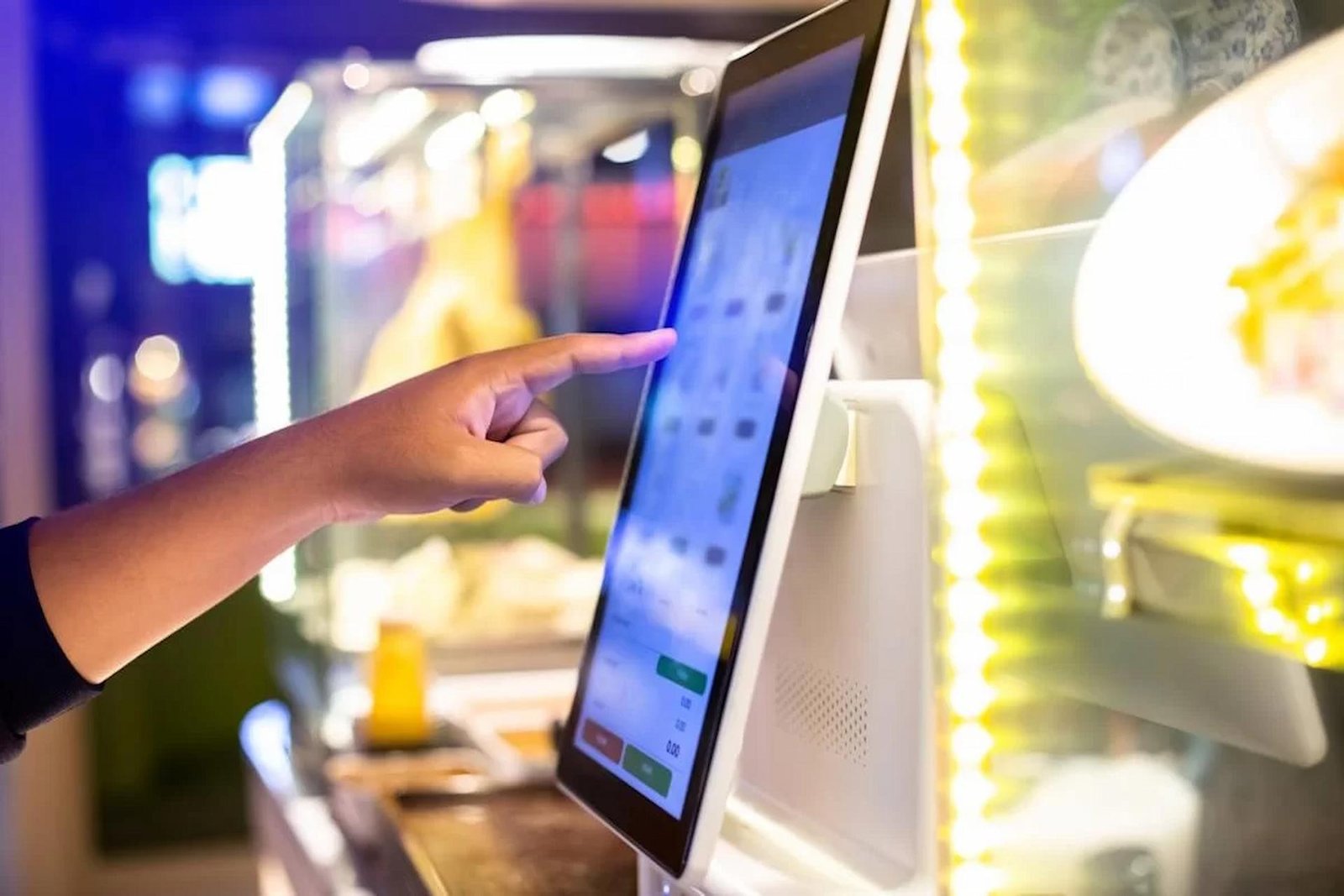
Many businesses today are looking for ways to offer smoother, faster, and more convenient customer experiences. One of the most noticeable changes is the growing use of self service kiosks across a wide range of sectors. These digital solutions are becoming a familiar sight in retail stores, hospitality venues, workplaces, and public spaces. Their rise is driven by the need for clear, efficient, and user-friendly interactions. People now expect quick access to information and services without delay. They also appreciate simple and consistent digital touchpoints that make everyday tasks easier. This shift is not about replacing staff but about enhancing service and offering more choice. As businesses adopt new ways of working, kiosks are becoming an essential part of a modern customer journey. They allow organisations to improve the way they deliver information, support, and services in a clear and accessible way.
A Growing Need for Digital Convenience
Customers today are comfortable engaging with digital technology. They use smartphones, online platforms, and automated tools daily. As a result, they also welcome easy, on-demand access to services when visiting physical locations. This is one of the reasons why self service kiosks are becoming essential for organisations wanting to meet these evolving expectations. These kiosks can guide users through simple steps and offer information in a clear and structured way. They help reduce waiting times and make processes more straightforward. Whether checking in, placing an order, collecting a ticket, or accessing information, the digital experience remains consistent. Kiosks help bridge the gap between online and in-person interactions, creating a seamless transition for customers. As more people prefer quick and independent service options, the demand for user-focused digital touchpoints continues to grow. This trend shows how digital convenience has become a natural part of everyday life.
Improving Customer Flow and Reducing Pressure on Staff
Clear, efficient customer flow is important for every organisation. When visitors can complete simple tasks independently, overall movement becomes smoother. This is where self service kiosks play a central role. They allow people to help themselves without needing to wait for staff support. This reduces queues and improves the overall experience. Staff can then focus on more detailed or personal tasks, making their work more manageable and productive. Kiosks provide step-by-step guidance and are designed to be intuitive for people of all ages. This means visitors can complete their tasks quickly and confidently. For businesses with high footfall, this brings noticeable improvements in how spaces function. The result is a more organised, calm, and user-friendly environment. Staff still remain available for support, but routine tasks become easier for everyone. This balanced approach helps create a better experience for both customers and teams.
Consistency, Accuracy, and Better Information Delivery
Accuracy is essential when delivering information or collecting data. Self service kiosks provide a clear and consistent interface that reduces the chance of errors. Users see the same information each time, presented in a simple and structured format. This helps ensure that instructions and messages are easy to understand. Kiosks also help organisations share updated content instantly. Whether it is new information, guidance, or menu options, digital screens make changes quick and seamless. This means visitors always receive the most accurate details. The structured design also supports accessibility. Many kiosks allow for multiple languages, large fonts, or simple touch-screen navigation. This makes them suitable for a wider range of users, including those who prefer digital support. Clear presentation improves confidence and ensures that people can complete tasks without confusion. In workplaces, retail settings, or public spaces, this kind of reliability is highly valuable.
Supporting Modern Business Operations and Future Growth
As organisations continue to explore new ways to operate more efficiently, self service kiosks offer a flexible and adaptable solution. They can be used for check-ins, payments, wayfinding, product browsing, feedback entry, and more. This versatility allows businesses to tailor their use to different environments. Because kiosks can operate for long periods without interruption, they support consistent service throughout the day. This makes operations more structured and predictable. Kiosks also integrate well with modern digital systems. They can connect to databases, internal platforms, and other digital touchpoints. This supports better planning and helps businesses gather insights into customer behaviour. These insights can be used to improve services and identify opportunities for development. As businesses grow and customer expectations evolve, digital solutions like kiosks help provide a strong foundation for future progress. Their flexibility makes them a practical tool for long-term planning.
Conclusion: A Natural Step in a Digital-First World
The increasing use of self service kiosks reflects a broader shift towards simple, reliable, and intuitive digital experiences. Businesses are embracing solutions that support smoother customer journeys and more efficient ways of working. Kiosks help people access services quickly and confidently. They also allow staff to focus on meaningful interactions rather than routine tasks. With clear information, accurate guidance, and flexible design, these digital tools have become an essential part of many modern environments. As organisations continue to evolve, kiosks offer a practical and forward-thinking way to support both customer needs and operational goals. Their growing presence shows how digital and physical experiences can work together to create a more connected, accessible, and user-friendly world.