

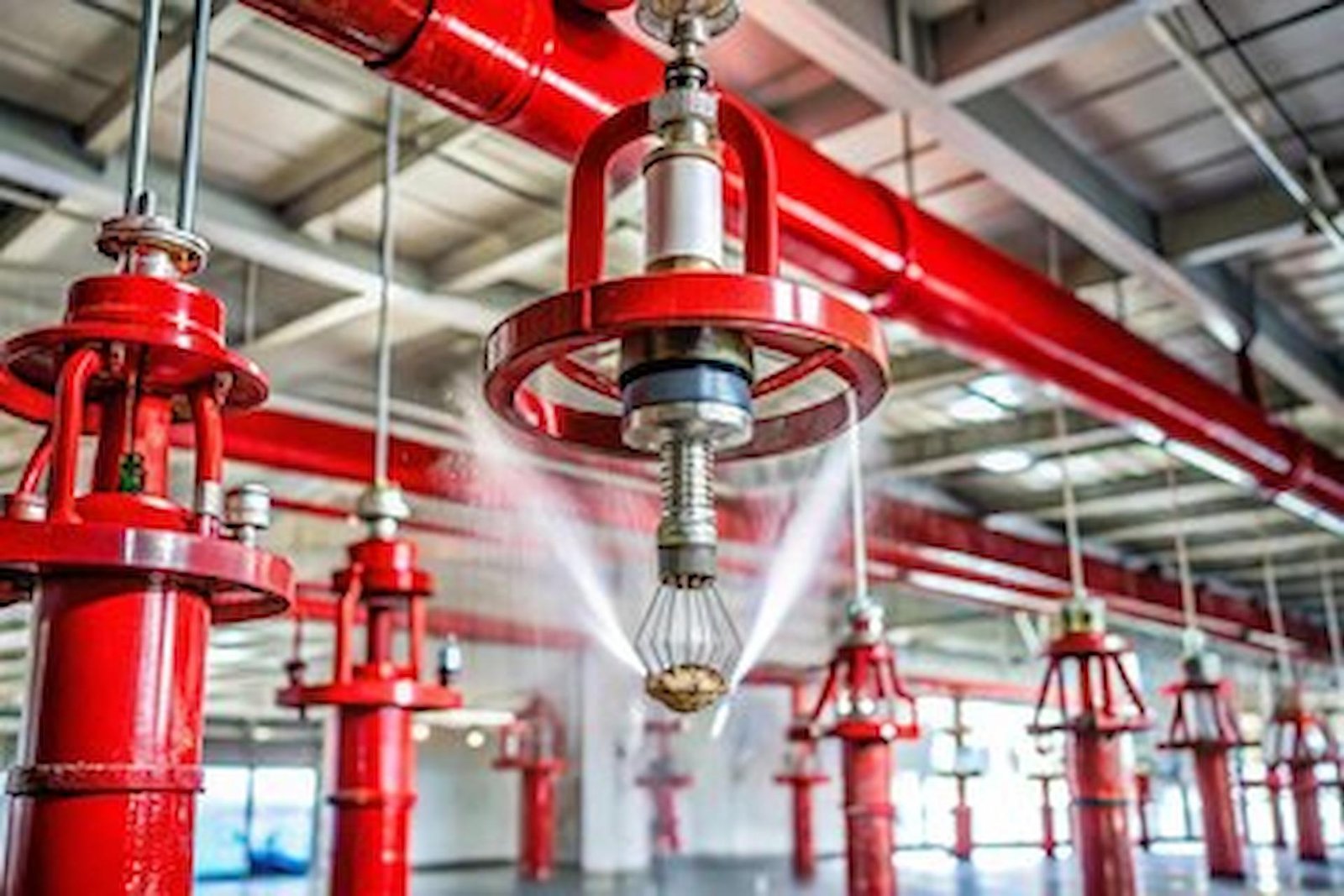
In the United Kingdom, fire safety is a critical aspect of building design, management and regulatory compliance. While installing a fire sprinkler system is a highly effective measure for suppressing fire, its continued performance cannot be taken for granted. A sprinkler system that is not routinely maintained may fail at a crucial moment, putting people and property at grave risk. This is where regular Fire Sprinkler Servicing plays an indispensable role in maintaining building safety, regulatory compliance, and insurance validity.
Sprinkler systems are designed to respond automatically to heat and suppress fires before they spread. In many buildings, they are regarded as one of the most reliable forms of active fire protection, significantly reducing fire damage and increasing the likelihood of safe evacuation. However, like any mechanical system, a sprinkler installation depends on its components remaining functional and free from defects. Regular servicing ensures this condition is met year after year.
The Function of Sprinkler Systems in Fire Safety
Automatic sprinkler systems are engineered to detect and respond to fire without human intervention. When a predefined temperature threshold is reached in a specific area, the nearest sprinkler head activates, releasing water to control or extinguish the fire’s early stages. This mechanism dramatically limits the rate at which fire spreads, providing critical time for evacuation and emergency response. For high-risk properties such as care homes, schools, multi-storey residential buildings and commercial premises, sprinkler systems are a cornerstone of a robust fire safety strategy.
However, the reliable activation and performance of sprinkler systems hinge on good mechanical condition, unobstructed water supply, properly functioning valves and pumps, and intact alarm interfaces. Regular Fire Sprinkler Servicing is essential to verify these factors and confirm that the system will perform as intended in an emergency.
Legal and Regulatory Context in the UK
In the UK, maintaining fire safety systems is not optional; it is a legal requirement for building owners and managers. Under the Regulatory Reform (Fire Safety) Order 2005, the “responsible person” – typically the building owner or occupier – must ensure that all fire protection equipment is kept in efficient working order. This includes sprinkler systems, alarms, fire doors and related hardware. Failure to do so can lead to enforcement action, fines and increased liability should a fire incident occur.
British Standards set out specific guidance on the servicing of sprinkler systems. Commercial and industrial systems are generally maintained to BS EN 12845 standards, while domestic and smaller residential systems are guided by BS 9251:2021. Both standards require scheduled inspections and documented servicing to ensure continued readiness. In many cases, annual professional servicing is the minimum expected to satisfy these standards.
Why Regular Servicing Matters
Ensuring Operational Reliability
Sprinkler systems may remain idle for extended periods before they are activated. During that time, internal components can deteriorate. Pipes can corrode, valves may become stuck, and sprinkler heads can become blocked by dust or debris. If any of these problems go undetected, the system may not activate properly or deliver the required water pressure and volume when needed. Regular Fire Sprinkler Servicing identifies and rectifies these issues long before they compromise system performance.
Between professional inspections, basic checks, such as visual inspection of valves and gauges, help flag obvious problems early. Professional servicing goes further, with comprehensive tests that include flow and pressure checks, alarm integration tests, and examination of internal components.
Compliance with Standards and Insurance Requirements
Adherence to BS EN 12845 and BS 9251:2021 is not merely guidance; it often appears in contractual obligations, lease conditions, and insurance policies. Buildings with sprinkler systems that lack documented maintenance histories may find their insurance policies invalidated or subject to higher premiums. In the event of an incident, failure to provide evidence of regular servicing could lead to disputes with insurers and financial liabilities for building owners.
Importantly, regular servicing provides a documented record of compliance with statutory requirements. This not only protects building occupants but also limits the risk of regulatory notices and penalties.
Extending System Lifespan and Reducing Costs
A well-maintained sprinkler system will serve its purpose for decades. Neglect, on the other hand, accelerates wear and magnifies minor issues into major failures. Identifying corrosion early, replacing worn components, clearing obstructions, and verifying correct pressure levels all contribute to extending the system’s useful life and avoiding costly emergency repairs.
In practical terms, regular servicing can uncover developing issues while they are inexpensive to fix. A blocked sprinkler head or a corroded pipe is far cheaper to replace during routine servicing than to address after a fire has broken out and the system has failed.
Protecting Life and Property
Most fundamentally, the purpose of a sprinkler system is to protect human life and limit property damage. When a properly maintained system suppresses a fire quickly, it reduces smoke, heat and structural damage. This can mean the difference between a minor incident and a catastrophic loss. Even in buildings with comprehensive fire safety measures, the failure of a single system component can have outsized consequences. Regular servicing ensures that these safety mechanisms work as intended.
Fire Sprinkler Servicing also encompasses testing of alarm circuits and integration with other fire safety equipment. Sprinklers are part of a wider network of detection and alert systems; ensuring that these interfaces function correctly is an important aspect of comprehensive fire preparedness.
Recommended Inspection Frequency
Professional guidance suggests a multi-tiered approach to inspection and servicing. Simple weekly or monthly checks of visual signs and control valves can be conducted by on-site responsible persons. More detailed inspections, including functional tests, may be performed quarterly. A full professional service, involving extensive testing and verification against relevant British Standards, is typically recommended annually. In some high-risk environments or where the system is older, more frequent servicing may be appropriate.
Conclusion
Regular Fire Sprinkler Servicing is not merely an administrative formality; it is a fundamental component of responsible building management. It ensures that a sprinkler system operates reliably, meets legal and insurance requirements, extends the system’s lifespan, and, most importantly, protects lives and property. In a nation with stringent fire safety standards and legislation, consistent, documented maintenance of fire sprinkler systems is a non-negotiable component of safety governance. By prioritising regular servicing, building owners and managers fulfil their duty of care and reinforce the resilience of their fire safety strategy.