

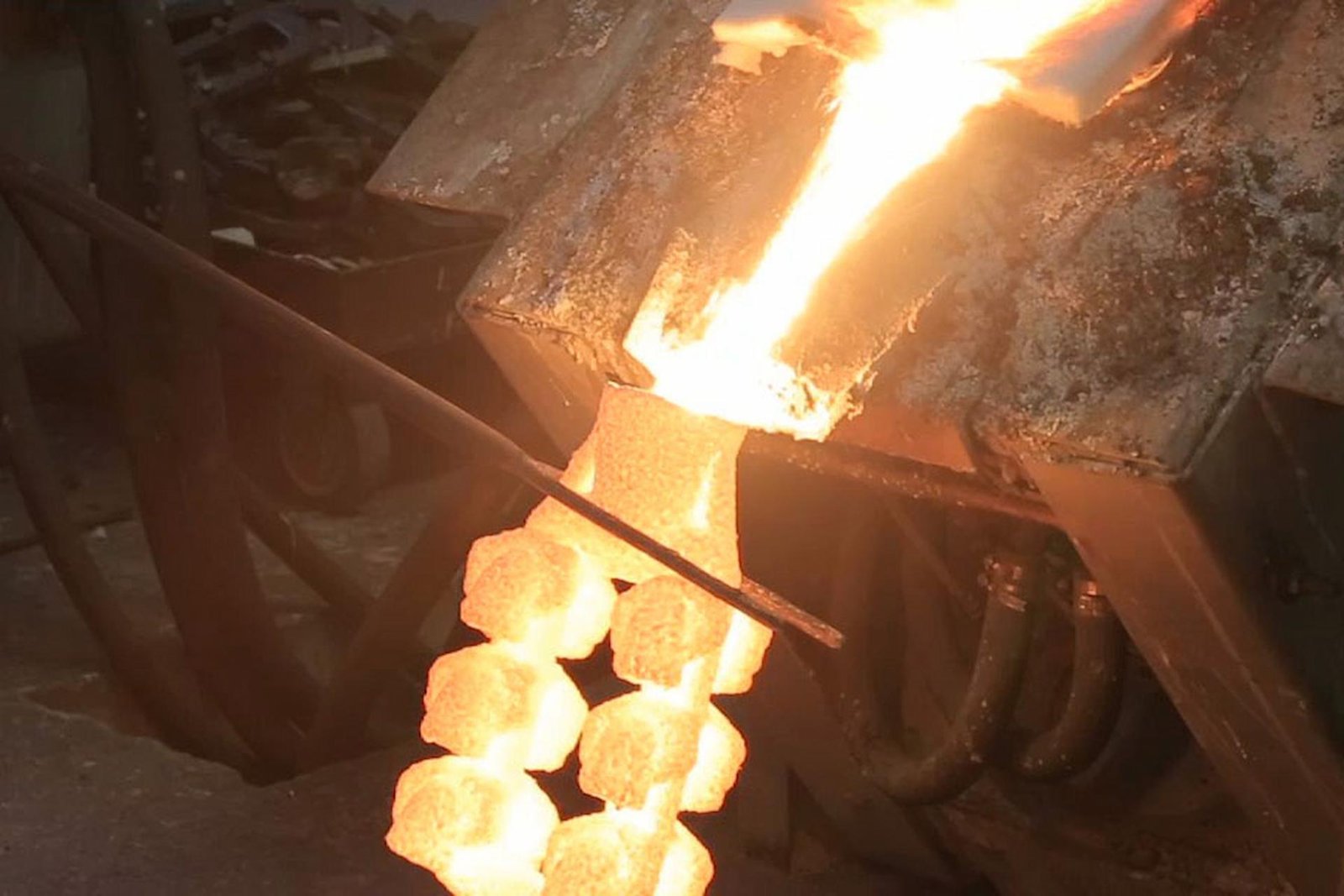
Choosing the right metal casting method can shape product quality, cost, and long-term performance. Investment casting stands out for its precision and flexibility. This in-depth guide explains the top advantages of investment casting over other casting methods, helping manufacturers make informed, confident decisions.
Metal casting is a foundation of modern manufacturing. From small components to complex industrial parts, casting methods shape how products perform, last, and look. Among the available options, investment casting has earned a strong reputation for accuracy and reliability.
This article explains, in clear and simple terms, why investment casting often outperforms other casting methods. It focuses on practical benefits, real-world outcomes, and decision-making value. The goal is to help engineers, buyers, and business owners understand when and why this method makes sense.
Understanding Investment Casting in Simple Terms
Investment casting is a process that creates metal parts by first forming a detailed wax model. This model is coated, hardened, and then melted away. Molten metal fills the space left behind and takes on the exact shape.
The result is a part that closely matches the original design. It requires very little extra work once produced.
Compared to other casting methods, this approach focuses on detail, consistency, and finish.
Why Casting Method Choice Matters
The casting method you choose affects:
-
Product strength and durability
-
Accuracy of size and shape
-
Surface quality
-
Production time and cost
-
Need for extra finishing work
A poor choice can lead to waste, delays, and higher costs. A well-chosen method supports quality and efficiency from the start.
This is where investment casting often has a clear edge.
Superior Accuracy and Detail
One of the biggest advantages of investment casting is accuracy.
Parts are made to match the original design closely. Fine details, thin walls, and smooth curves are easier to achieve compared to other casting methods.
Why this matters:
-
Parts fit better with other components
-
Less adjustment is needed during assembly
-
Final products perform more reliably
Other casting methods may struggle with sharp edges or complex shapes. Investment casting handles them with ease.
Excellent Surface Finish
Surface quality plays a key role in both function and appearance. Investment casting produces smooth surfaces straight from the mould.
Benefits of better surface finish include:
-
Reduced need for polishing or grinding
-
Improved appearance without extra cost
-
Better performance in moving or exposed parts
In contrast, sand casting and similar methods often leave rough textures that require extra processing.
Reduced Need for Machining
Machining is time-consuming and expensive. Investment casting helps minimise this step.
Because parts come out close to their final shape, only limited finishing is required. This saves both time and money.
Key advantages:
-
Faster production cycles
-
Lower labour costs
-
Less material waste
For businesses aiming to improve efficiency, this is a major benefit.
Ability to Create Complex Shapes
Some designs are simply not practical with traditional casting methods. Investment casting allows for complex internal and external features in one piece.
This includes:
-
Hollow sections
-
Fine holes and slots
-
Intricate curves
Producing these features in a single cast part reduces the need for joining or welding multiple pieces. This improves strength and consistency.
Wide Range of Material Options
Investment casting supports many metal types. This flexibility allows manufacturers to select materials based on performance needs rather than process limits.
Common choices include:
-
Steel alloys
-
Stainless steel
-
Aluminium alloys
-
Nickel-based metals
This range makes investment casting suitable for many industries, from automotive to energy and medical applications.
Consistent Quality Across Batches
Consistency is critical in large-scale production. Investment casting offers strong repeatability.
Once a design is set, the same process can produce identical parts again and again.
Why consistency matters:
-
Predictable performance
-
Easier quality control
-
Reduced rejection rates
Other casting methods may show variation due to mould wear or manual handling.
Cost Efficiency for Complex Parts
While investment casting may appear costly at first, it often proves more economical for complex components.
The savings come from:
-
Less machining
-
Fewer assembly steps
-
Lower material waste
For detailed or high-precision parts, total production cost is often lower compared to alternative methods.
Improved Strength and Reliability
Investment casting creates parts with uniform structure. This leads to reliable mechanical performance.
Parts are less likely to have weak points caused by joins or uneven thickness.
This reliability is especially important in components exposed to stress, heat, or movement.
Better Design Freedom
Designers benefit from fewer limitations. Investment casting allows creativity without sacrificing function.
This freedom supports:
-
Lightweight designs
-
Integrated features
-
Optimised shapes for performance
As a result, engineers can focus on what the part needs to do, not what the process can handle.
Comparison with Other Casting Methods
To understand the advantages clearly, it helps to compare investment casting with common alternatives.
Investment Casting vs Sand Casting
-
Smoother finish
-
Higher accuracy
-
Less post-processing
Investment Casting vs Die Casting
-
Greater material flexibility
-
Better for lower production volumes
-
Handles thicker sections more effectively
Investment Casting vs Permanent Mould Casting
-
More complex shapes possible
-
Fewer design restrictions
-
Better detail reproduction
Each method has its place, but investment casting often stands out for precision and versatility.
Environmental and Material Efficiency
Material waste is a growing concern. Investment casting uses metal efficiently.
Unused metal can often be recycled. Reduced machining also means less scrap.
This supports more responsible production practices without sacrificing quality.
Industries That Benefit Most
Investment casting is widely used where quality and detail matter.
Key sectors include:
-
Automotive and transport
-
Industrial machinery
-
Energy and power systems
-
Medical equipment
-
Aerospace components
In these fields, reliability and accuracy are not optional. They are essential.
Long-Term Value for Manufacturers
The real strength of investment casting lies in long-term value.
Better parts lead to:
-
Fewer failures
-
Lower maintenance needs
-
Improved customer trust
Over time, these benefits often outweigh any initial cost difference.
Key Advantages at a Glance
-
High accuracy and detail
-
Smooth surface finish
-
Reduced machining
-
Complex shapes in one piece
-
Wide material choice
-
Consistent quality
-
Strong and reliable parts
These advantages explain why investment casting remains a preferred choice for demanding applications.
Conclusion
Investment casting offers a powerful combination of precision, flexibility, and efficiency. Compared to other casting methods, it delivers better surface quality, greater design freedom, and consistent results. These benefits translate into reliable parts, lower long-term costs, and improved performance.
For manufacturers dealing with complex designs or high-quality standards, investment casting provides clear advantages. It supports smarter production decisions and stronger outcomes across industries. Understanding these strengths helps businesses choose the right method with confidence and clarity.