

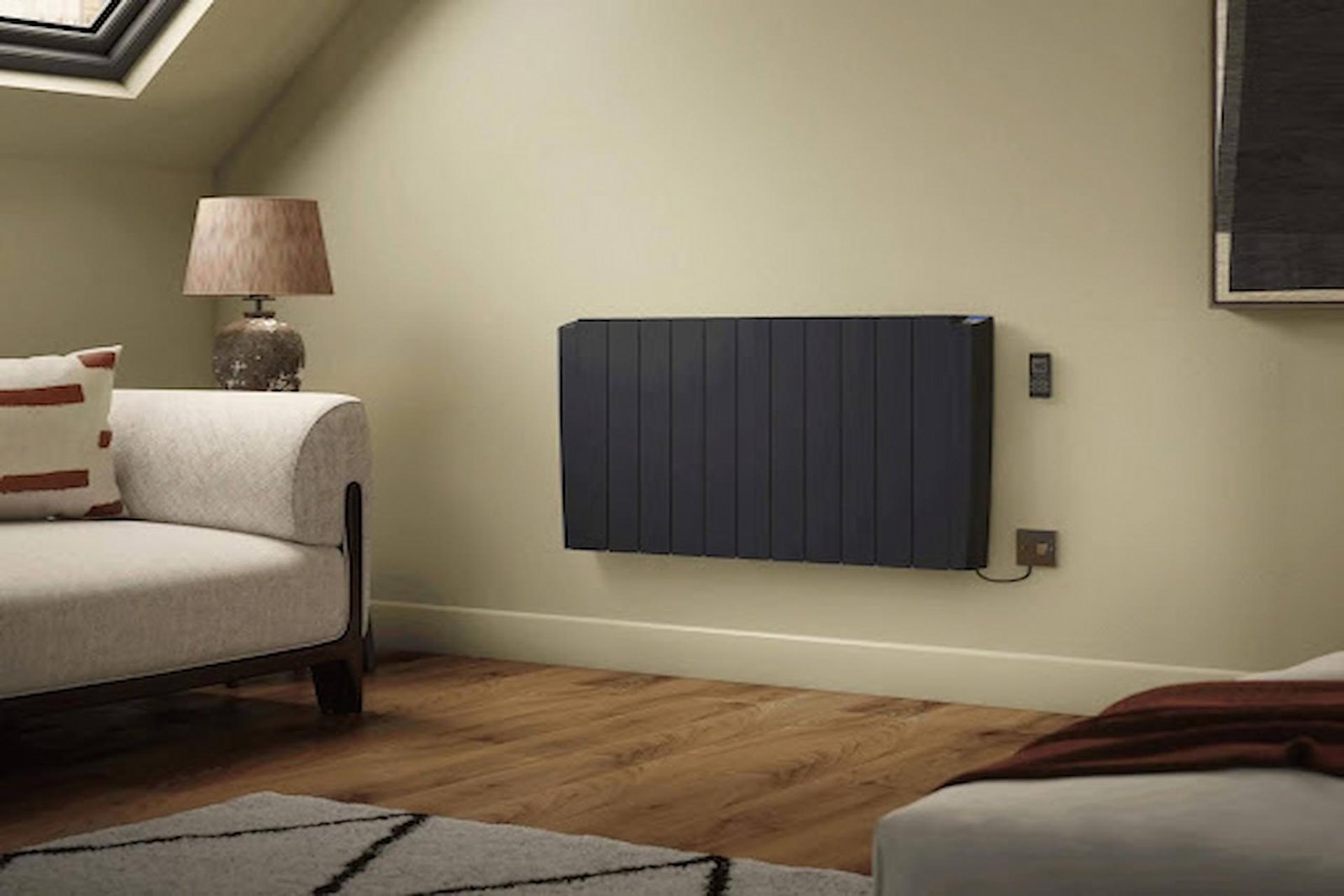
Upgrading your heating system can be one of the smartest ways to cut energy bills and boost everyday comfort — without stretching your budget. With thoughtful planning and well-chosen improvements, you can enhance warmth, increase efficiency, and gain better control over your home’s temperature while keeping costs manageable. The right radiators balance upfront affordability with long-term performance, giving you reliable comfort now and steady savings over time.
Heating accounts for a significant share of household energy use, which makes radiator choice more important than many homeowners realise. When upgrading radiators on a budget, the goal is not simply to reduce upfront spend, but to choose options that deliver consistent warmth, suit the space, and avoid higher running costs later. A carefully planned upgrade can improve comfort without major financial pressure.
Rather than replacing radiators reactively, a more measured approach helps align performance, efficiency, and cost. Understanding what influences pricing and output allows homeowners to make confident decisions that stand the test of time.
Factors That Influence Radiator Costs
Purchase price versus lifetime value
The cheapest radiator is not always the most economical choice. Units with lower heat output or slower response times may struggle to maintain comfort, leading to higher energy use across the heating season. Spending slightly more on a reliable model often delivers better value over its working life.
Looking at lifetime performance rather than headline price helps avoid repeat upgrades and unnecessary running costs.
Installation considerations
Installation costs are often overlooked when budgeting for new radiators. Models that fit existing pipework usually cost less to install, as they reduce labour time and minimise disruption.
Costs can increase when changes are required to:
- Pipe positions or valve locations
- Wall finishes or flooring
- System layout or balancing
Keeping installation straightforward is one of the most effective ways to stay within budget.
Choosing the Right Size to Avoid Overspending
Why correct sizing matters
Radiator size determines how effectively a room is heated. An undersized radiator may leave the space feeling cold, while an oversized unit can cost more than necessary and waste energy. Correct sizing ensures heat output matches demand without excess.
This balance improves comfort and avoids paying for capacity that will never be fully used.
Factors that affect heat demand
Several factors influence how much heat a room needs. These should always be considered before choosing a radiator:
- Room dimensions and ceiling height
- Insulation levels in walls and floors
- Number and size of windows
- Room usage and occupancy
Assessing these basics prevents costly mistakes and supports efficient heating from day one.
Affordable Radiator Types That Offer Reliable Performance
Affordable radiator options can still deliver dependable performance when chosen carefully. Panel radiators remain a popular choice for budget-conscious households because their simple construction provides consistent heat output and suits a wide range of room sizes. Their widespread availability helps keep prices competitive, while their versatility makes them suitable for spaces such as living rooms, bedrooms, and hallways without compromising comfort.
Where wall space is more limited, compact and slimline radiators offer a practical alternative. Their reduced footprint helps maintain layout flexibility while still delivering adequate warmth. These models are well suited to smaller rooms, hallways, landings, or areas with furniture restrictions. By directing heat efficiently into tighter spaces, compact designs support effective use of both energy and available space.
Materials and Finishes That Balance Cost and Durability
When choosing radiators with budget and longevity in mind, materials and finishes play a significant role in overall value. Steel radiators are widely used because they offer a reliable balance between affordability and performance. They heat up efficiently, respond well to temperature controls, and are durable enough for long-term use in most homes, making them a sensible choice when managing upgrade costs carefully.
Finishes also influence pricing, often without affecting how well a radiator performs. Decorative or specialist finishes tend to increase costs, while standard options such as white or neutral tones remain more affordable and versatile. Opting for simple finishes helps keep spending under control while ensuring the radiator blends easily with a wide range of interior styles.
Improving Efficiency Without Replacing Everything
Valves and controls
Efficiency gains do not always require full radiator replacement. Upgrading controls can significantly improve how heat is distributed and managed throughout the home.
Improvements may include:
- Thermostatic radiator valves for individual room control
- Better zoning across different living areas
- More responsive temperature adjustments
These changes support upgrading radiators on a budget by improving performance at a lower overall cost.
System balancing and maintenance
Ensuring radiators heat evenly improves system efficiency and comfort. Simple balancing adjustments can help existing radiators perform better, reducing cold spots and unnecessary strain on the boiler.
Routine maintenance often delays the need for replacement and maximises the value of current installations.
Smart Planning to Reduce Overall Spend
Prioritising key rooms
Not all radiators need upgrading at the same time. Focusing on the most frequently used spaces allows improvements to be made where they matter most, while spreading costs over a longer period.
This phased approach provides flexibility and avoids large upfront expenses.
Timing purchases carefully
Radiator demand often peaks during colder months. Planning upgrades outside peak seasons can provide better availability and pricing, making it easier to stay within budget while maintaining quality standards.
Practical Takeaways for Budget-Conscious Choices
- Match radiator output to actual room requirements
- Keep pipework and layouts unchanged where possible
- Choose standard materials and finishes
- Improve controls before replacing entire units
- Plan upgrades in stages to manage spending
Bringing It All Together
Choosing radiators on a budget requires thoughtful decision-making rather than compromise. By focusing on correct sizing, practical designs, and targeted efficiency improvements, homeowners can achieve reliable warmth without overspending. With careful planning and prioritisation, upgrading radiators on a budget becomes a sensible investment that delivers comfort, efficiency, and long-term value.