

Strategies for Effective Industrial Equipment Maintenance

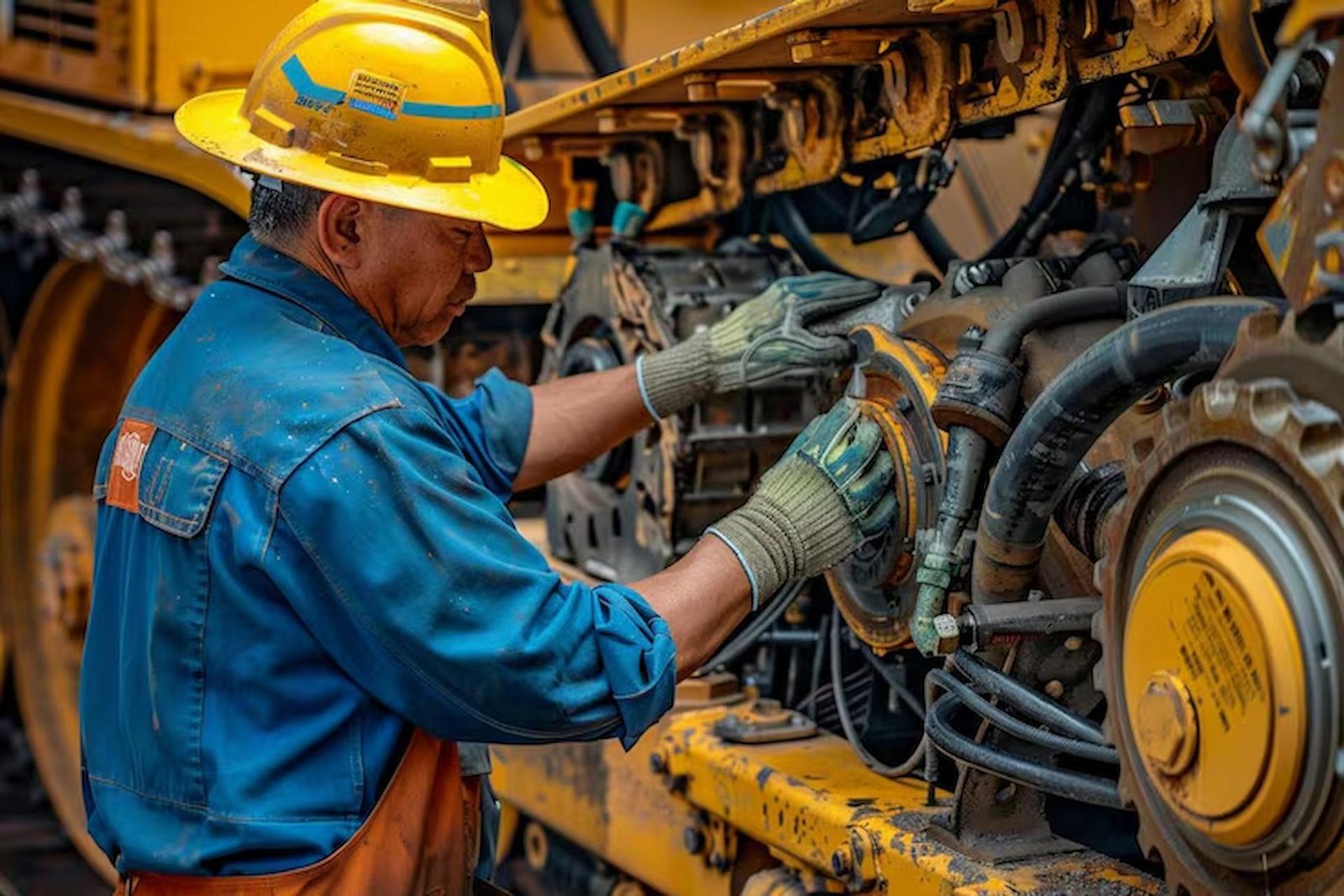
Achieving operational excellence in modern manufacturing hinges on a strategic approach to equipment upkeep. Our focus is on fostering reliability, maintainability, and availability—the cornerstones of efficient production. This comprehensive asset care philosophy aligns with global standards like ISO 55000, ensuring that every maintenance activity contributes to the long-term health and performance of industrial assets. It’s a shift from merely reacting to problems to proactively shaping a resilient operational environment.
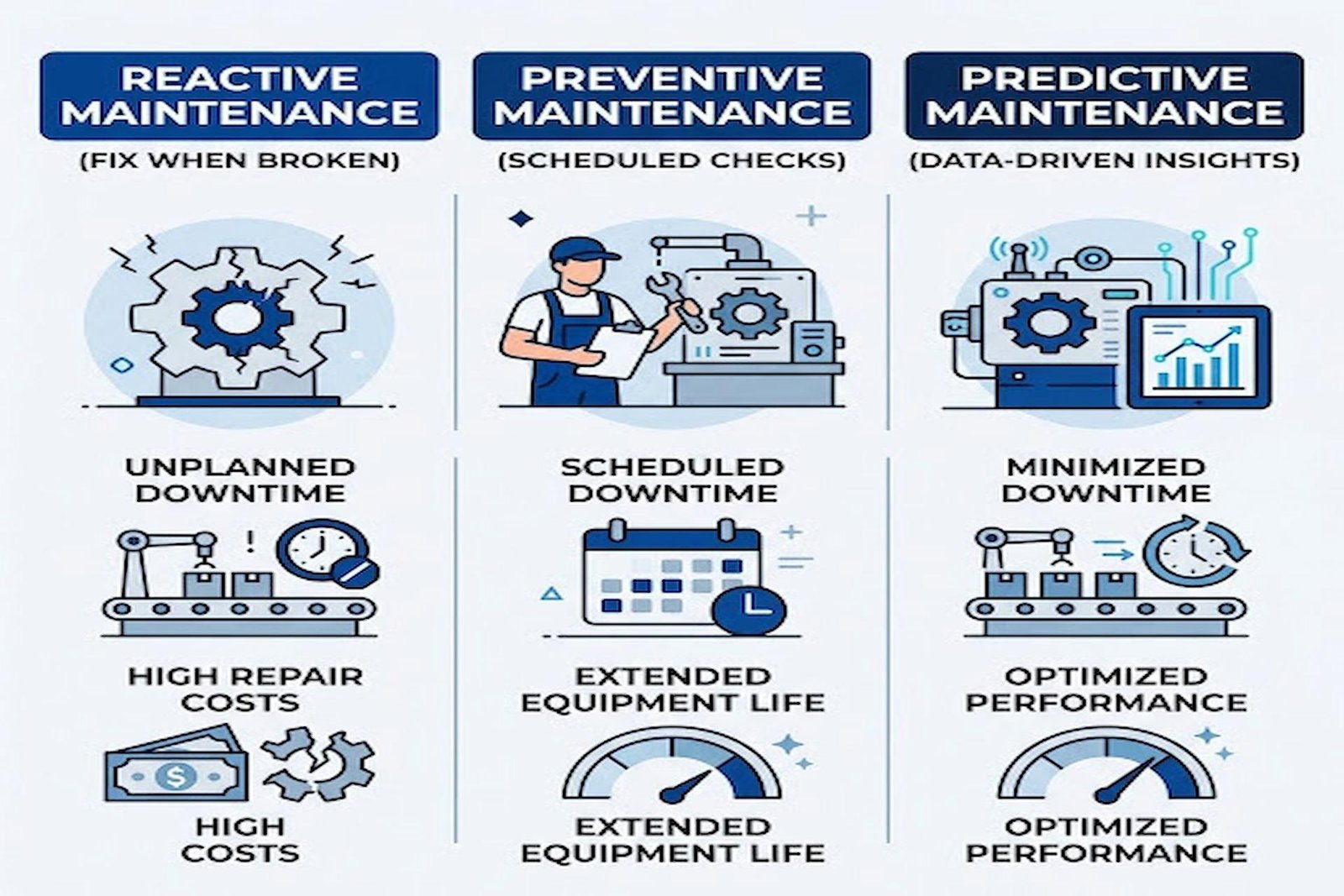
To illustrate the evolution and effectiveness of different maintenance philosophies, consider the following comparison:
The Core Types of Industrial Equipment Maintenance
Industrial maintenance encompasses a spectrum of strategies, each with its own advantages and ideal applications. Understanding these core types is fundamental to developing a robust asset management program.
Corrective Maintenance: Also known as reactive or breakdown maintenance, this is performed only after equipment has failed. While seemingly cost-effective for non-critical assets, it often leads to unexpected downtime, higher repair costs, and potential safety hazards. It’s the least desirable strategy for critical production machinery.
Preventive Maintenance (PM): This involves scheduled maintenance activities performed at predetermined intervals, regardless of equipment condition. Tasks might include inspections, cleaning, lubrication, and part replacements based on elapsed time or usage (e.g., every 500 operating hours). PM aims to prevent failures, extend equipment life, and reduce the likelihood of unexpected breakdowns. OEM schedules often provide a starting point for PM, though these can be overly conservative.
Condition-Based Maintenance (CBM): Building on PM, CBM monitors the actual condition of equipment to determine when maintenance is needed. Sensors collect data on parameters like vibration, temperature, and pressure. When these readings exceed predefined thresholds, maintenance is triggered. This approach optimizes maintenance timing, avoiding unnecessary interventions while still preventing failures. The P-F interval (potential failure to functional failure) is a key concept here, representing the window in which a potential failure can be detected and addressed before it leads to a functional breakdown.
Predictive Maintenance (PdM): This is an advanced form of CBM that uses data analytics, often powered by AI and machine learning, to forecast potential equipment failures before they occur. By analyzing trends and patterns in condition monitoring data, PdM allows maintenance to be scheduled precisely when it’s most needed, maximizing asset uptime and minimizing costs. It moves beyond simply reacting to thresholds to truly predicting future states.
Autonomous Maintenance: A key component of Total Productive Maintenance (TPM), autonomous maintenance empowers equipment operators to perform basic maintenance tasks, such as cleaning, lubrication, and routine inspections. This fosters a sense of ownership, improves equipment understanding, and allows for early detection of abnormalities, freeing up skilled technicians for more complex tasks.
Specific Improvement: This strategy focuses on identifying and eliminating the root causes of recurring problems or chronic losses. It often involves cross-functional teams using analytical tools to implement permanent solutions, improving equipment reliability and performance over the long term.
Reliability-Centered Maintenance (RCM): RCM is a systematic approach that determines the most effective maintenance strategy for each asset based on its criticality, potential failure modes, and the consequences of those failures. It prioritizes maintenance efforts, combining elements of corrective, preventive, and predictive approaches to optimize overall system reliability. This involves a thorough analysis of the asset hierarchy and the functions each piece of equipment performs.
Digitalization and the Shift to Predictive Maintenance
The landscape of industrial maintenance is being profoundly reshaped by digitalization. Modern manufacturing environments generate vast amounts of data, and leveraging this data through advanced technologies is driving a significant shift from reactive and even traditional preventive approaches to highly efficient predictive maintenance.
The integration of IoT sensors is at the forefront of this transformation. These sensors, affixed to critical machinery, continuously collect real-time data on various operational parameters—such as vibration, temperature, current, and pressure. This constant stream of information provides an unprecedented level of insight into equipment health.
Vibration analysis can detect imbalances, misalignments, and bearing issues in rotating equipment. Thermography identifies abnormal heat patterns that could indicate electrical faults, friction, or insulation problems. Oil analysis reveals wear particles, contaminants, and lubricant degradation, signaling internal component issues. More advanced techniques like motion amplification can visualize microscopic movements in structures and piping that are invisible to the naked eye, revealing subtle signs of stress or impending failure.
This raw data becomes powerful when processed by Artificial Intelligence (AI) and Machine Learning (ML) algorithms. These sophisticated tools analyze historical data alongside real-time inputs to identify subtle patterns that precede equipment failure. AI can learn what “normal” operation looks like and flag anomalies that human eyes might miss, predicting potential breakdowns weeks or even months in advance.
Computerized Maintenance Management Systems (CMMS) are the backbone of modern maintenance operations. They integrate work order management, asset tracking, inventory control, and scheduling, providing a centralized platform for all maintenance activities. When combined with IoT, AI, and ML, CMMS can automatically generate work orders based on predictive insights, streamline parts procurement, and optimize technician scheduling.
A challenge in leveraging this data is overcoming data silos, where information is isolated in disparate systems. Effective digitalization strategies aim to unify these data streams, providing a holistic view of plant operations and enabling more informed decision-making. By embracing these technologies, we can move towards a future where maintenance is less about fixing problems and more about preventing them entirely, ensuring maximum uptime and efficiency.
Mitigating Electrical Risks in Industrial Equipment Maintenance
While mechanical wear and tear are common culprits in equipment failure, electrical issues, particularly those associated with modern power electronics, pose a significant and often overlooked threat to industrial machinery. The widespread adoption of Variable Frequency Drives (VFDs), for instance, offers immense benefits in energy efficiency and process control, but they also introduce unique electrical challenges to motor longevity.
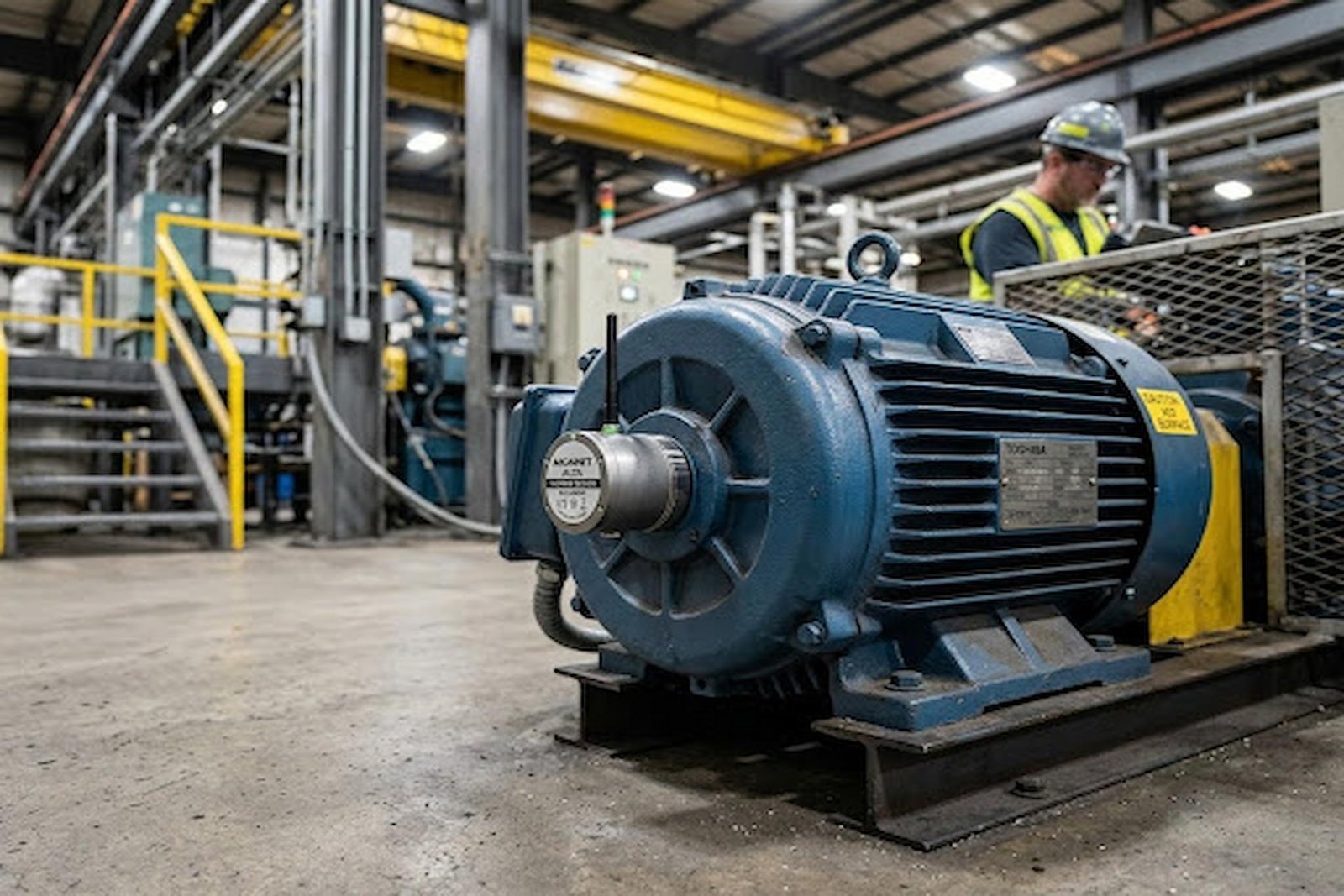
VFDs operate by rapidly switching voltage, which can induce shaft voltage in AC motors. If this voltage builds up sufficiently, it can discharge through the motor bearings, causing microscopic electrical arcs. This phenomenon, known as electrical bearing discharge or fluting, erodes the bearing surfaces, leading to premature failure. The result is increased friction, noise, vibration, and ultimately, costly downtime.
Beyond VFDs, other electrical issues like bearing currents can arise from various sources within an electrical system, contributing to similar damage. These electrical risks can significantly shorten the lifespan of industrial motors, leading to unexpected and expensive repairs.
To effectively combat these electrical threats and Extend industrial motor maintenance, specialized solutions are essential. Technologies like AEGIS Shaft Grounding Rings are specifically designed to protect motors from electrical bearing damage. These rings provide a low-resistance path for shaft currents to safely discharge to the motor frame, bypassing the bearings and preventing the destructive arcing that causes fluting. Implementing such protective measures is a critical step in preventing premature failure and avoiding costly downtime, safeguarding your investment in high-performance motors and drives.
Overcoming Challenges in Modern Manufacturing Reliability
While the promise of advanced industrial maintenance is compelling, implementing and sustaining effective programs comes with its own set of challenges. Modern manufacturing reliability is often tested by a confluence of factors, ranging from human capital issues to the complexities of integrating new technologies within existing infrastructure.
One of the most pressing concerns is the workforce transition. A significant portion of the skilled industrial maintenance workforce is nearing retirement, taking with them decades of invaluable institutional knowledge. This creates a substantial skills gap, making it difficult to find and train new technicians who can handle increasingly complex machinery. The “prioritization problem” often exacerbates this, as facilities struggle to allocate limited resources to critical assets amidst a sea of daily demands.
Many industrial facilities operate in brownfield deployment environments, meaning they have a mix of legacy equipment alongside newer, digitally-enabled machines. Integrating modern sensors and software with older systems can be technically challenging and costly. Moreover, ensuring regulatory compliance, such as adherence to NFPA 70 B standards for electrical equipment maintenance and OSHA compliance for safety, adds another layer of complexity.
Effective maintenance also requires a deep understanding of root cause analysis. Instead of merely fixing symptoms, we must identify and eliminate the underlying reasons for equipment failures. This demands analytical skills, meticulous record-keeping, and a culture of continuous improvement. Addressing these challenges head-on is crucial for building resilient, reliable manufacturing operations.
Career Outlook and Skills for Maintenance Professionals
The demand for skilled industrial maintenance professionals is experiencing robust growth, reflecting the increasing complexity of manufacturing and the need to keep sophisticated machinery operational. The U.S. Bureau of Labor Statistics projects a 13% growth in employment for industrial machinery mechanics, machinery maintenance workers, and millwrights from 2024 to 2034, significantly faster than the average for all occupations. This translates to approximately 54,200 job openings each year, on average, over the decade.
In May 2024, the median annual wage for these professionals was $63,510, with skilled maintenance technicians earning up to $84,000 at the top of the pay range. These statistics highlight a promising career path for individuals with the right skills and training.
Millwrights play a crucial role, specializing in the installation, dismantling, repair, and relocation of heavy industrial equipment. Their expertise is vital for ensuring precision and safety in operations, including Industrial lifting equipment maintenance and the setup of entire production lines. Mechanics and industrial maintenance technicians are responsible for the day-to-day upkeep, troubleshooting, and repair of a wide array of machinery.
The skills required for these roles are evolving. While traditional mechanical and electrical aptitudes remain essential, modern technicians also need:
- Strong Troubleshooting Skills: The ability to diagnose complex issues quickly and accurately, often involving integrated mechanical, electrical, and control systems.
- Digital Literacy: Proficiency with CMMS software, diagnostic tools, and data analysis platforms.
- Technical Training: A solid understanding of hydraulics, pneumatics, PLCs, robotics, and automation.
- Safety Acumen: Adherence to strict safety protocols, including lockout/tagout procedures and confined space entry.
- Continuous Learning: The industrial landscape changes rapidly, requiring professionals to stay updated on new technologies and maintenance methodologies.
Many professionals enter the field through apprenticeships, which combine on-the-job training with classroom instruction, or through vocational and technical programs. These pathways provide the foundational knowledge and practical experience necessary to excel in this dynamic and rewarding career.
Best Practices for Implementing a Maintenance Schedule
Creating and implementing an effective industrial equipment maintenance schedule is a strategic process that moves far beyond simply jotting down tasks on a calendar. It’s a structured, engineering-driven approach designed to maximize asset longevity and operational efficiency.
The journey begins with establishing a comprehensive asset register, detailing every piece of equipment, its specifications, and location. This forms the basis for an asset hierarchy, which organizes equipment logically (e.g., by system, department, or criticality).
Next, a critical step is asset criticality assessment. Not all equipment is equally important. Assets are rated based on their impact on safety, environmental compliance, production output, and cost if they fail. This assessment helps prioritize maintenance efforts, ensuring that high-impact assets receive the most attention.
For critical equipment, a Failure Mode and Effects Analysis (FMEA) is indispensable. FMEA systematically identifies potential failure modes, their causes, and their effects on the system. This analysis then informs the most appropriate maintenance tasks and frequencies. For instance, if a common failure mode for a pump is bearing seizure due to insufficient lubrication, the FMEA would recommend a specific lubrication schedule and type, along with condition monitoring for vibration.
Once failure modes are understood, we determine appropriate maintenance frequencies and intervals. This considers the P-F interval (the time between a detectable potential failure and functional failure) and regulatory requirements, rather than solely relying on generic OEM recommendations.
With tasks defined and frequencies set, we move to the practical aspects of scheduling. It’s crucial to differentiate between planning vs. scheduling. Planning defines what needs to be done, how, and with what resources. Scheduling determines who does it and when, integrating with production schedules to minimize disruption.
A master maintenance schedule is then developed, outlining all planned tasks. However, implementation is not a one-time event. Continuous tracking and optimization are key. We monitor key performance indicators (KPIs) such as:
- PM compliance: The percentage of scheduled preventive maintenance tasks completed on time (target often 90%+).
- Schedule attainment: The percentage of planned work orders completed within the scheduled timeframe (world-class is 85-95%).
- Mean Time Between Failures (MTBF): The average time a system or component operates before failing, indicating reliability.
- Mean Time To Repair (MTTR): The average time required to repair a failed component or system, indicating maintainability.
- Backlog management: Keeping a healthy backlog of work (e.g., 4-6 weeks) ensures a steady workflow without overwhelming technicians.
Regular reviews (quarterly for compliance, annually for comprehensive strategy assessment) are vital to refine the schedule based on real-world performance and technician feedback. This iterative process ensures the maintenance schedule remains dynamic and effective, continuously improving reliability and reducing overall costs.
Future Trends: Industry 4.0 and Prescriptive Analytics
The future of industrial equipment maintenance is inextricably linked with the ongoing evolution of Industry 4.0. This era of smart manufacturing is characterized by the convergence of digital and physical technologies, promising unprecedented levels of efficiency, autonomy, and foresight in maintenance operations.
One of the most significant advancements is prescriptive maintenance. Moving beyond predictive maintenance, which forecasts when a failure might occur, prescriptive maintenance leverages AI and advanced analytics to recommend what action to take and when to take it, to prevent the failure or mitigate its impact. It provides actionable insights, often with specific instructions, optimized timing, and even resource allocation suggestions. This is often facilitated by digital twins – virtual replicas of physical assets that simulate real-world behavior and predict future performance.
The integration of AI continues to deepen, with algorithms becoming more sophisticated at identifying subtle, “soft failure signals” that precede hard breakdowns. These might be minute changes in acoustic signatures, slight temperature fluctuations, or imperceptible deviations in power consumption. The ability to detect these early indicators allows for intervention long before a critical failure manifests.
The development of no-code platforms for maintenance analytics is democratizing access to these powerful tools. Maintenance managers and technicians, rather than data scientists, can configure and utilize complex AI models, making advanced maintenance more accessible and actionable on the factory floor. These platforms are often sensor-agnostic, meaning they can integrate data from a wide variety of existing sensors, making them ideal for brownfield environments.
Sustainability is also becoming a key driver for future maintenance practices. By optimizing equipment performance and extending asset life, advanced maintenance reduces energy consumption, minimizes waste, and lowers the carbon footprint of industrial operations.
However, implementing these advanced systems also brings new challenges, such as managing “ghost faults” during initial AI deployment (where the system flags anomalies that aren’t true failures). This necessitates robust feedback loops, allowing human experts to validate AI predictions and refine the models over time, enhancing accuracy and trust.
The future of industrial maintenance points towards highly automated, intelligent systems that can self-diagnose, self-optimize, and even self-correct. This shift towards automated decision-making will free up human expertise for more strategic tasks, ensuring that industrial operations are not just efficient but also resilient, adaptable, and continuously evolving.