

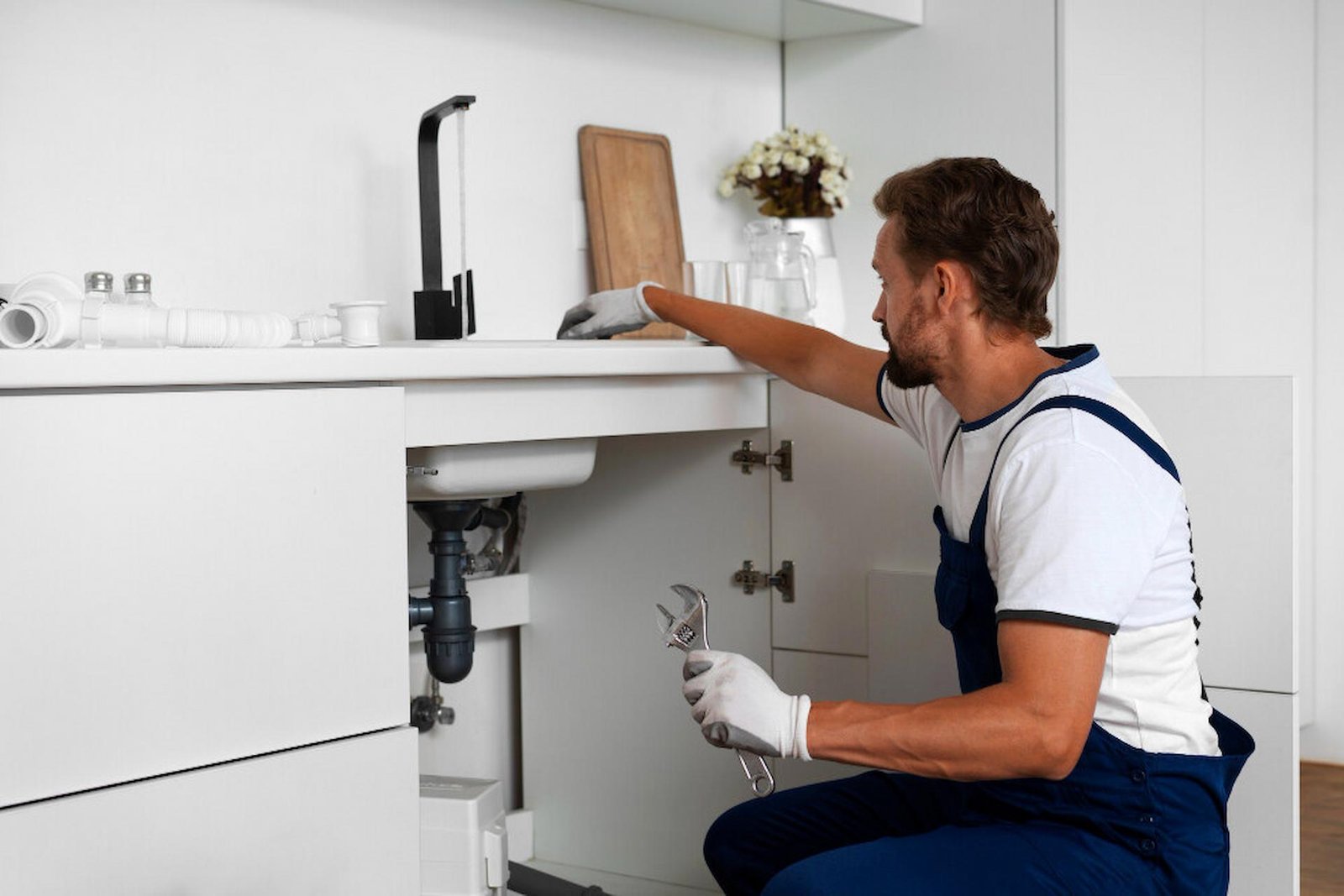
Hidden plumbing issues are one of the leading causes of unexpected home repair costs for homeowners. Many plumbing problems develop slowly behind walls, beneath floors, or inside ageing pipe systems long before obvious signs appear. Small leaks, blocked drains, low water pressure, and unnoticed moisture damage can gradually weaken a property and create expensive structural problems over time. Without regular home plumbing maintenance, these hidden plumbing problems may lead to Mold growth, damaged flooring, foundation issues, and rising water bills.
Homeowners rely on a professional plumbing repair service to identify hidden leaks and resolve small plumbing concerns before they become serious. Understanding the early plumbing warning signs is essential for protecting your property and avoiding emergency repairs. Homeowners who act quickly and invest in preventative plumbing maintenance are far more likely to avoid serious water damage, costly pipe repairs, and long-term household disruption caused by neglected plumbing systems.
Why Small Plumbing Problems Become Major Household Repairs
Plumbing systems work constantly in the background, which makes it easy to overlook minor changes. A dripping pipe under a sink or a small water stain on the ceiling may not seem urgent at first. However, even a slow leak can cause serious damage when left untreated.
Water naturally spreads into surrounding materials such as plaster, wood, insulation, and flooring. Over time, this moisture can weaken structural supports, encourage Mold growth, and damage electrical systems. What begins as a minor plumbing issue can eventually require extensive repairs involving walls, ceilings, and flooring replacement.
Hidden leaks may also increase monthly water bills without homeowners immediately noticing the cause. In some cases, underground leaks continue for months before visible signs appear inside the property.
Unusual Water Pressure Changes Around the Home
Changes in water pressure are often one of the earliest signs of hidden plumbing trouble. Many homeowners notice weaker water flow in showers or taps but assume it is temporary. In reality, inconsistent pressure can point to several underlying problems.
Common causes include:
- Hidden pipe leaks
- Mineral buildup inside older pipes
- Corroded plumbing lines
- Partially blocked drains or fixtures
- Faulty pressure regulators
If pressure suddenly drops in multiple areas of the home, the issue may involve the main water line. Persistent low pressure should never be ignored because it often signals a larger plumbing concern developing behind the scenes.
Persistent Drain Problems That Should Never Be Ignored
A slow-draining sink may appear to be a minor inconvenience, but recurring drainage problems often indicate deeper plumbing issues. Frequent clogs can suggest blockages further inside the drainage system rather than near the surface.
Homeowners should pay attention to warning signs such as:
- Gurgling sounds from drains
- Water backing up into sinks or tubs
- Persistent unpleasant odours
- Multiple slow drains throughout the house
- Toilets are struggling to flush properly
These symptoms may point to sewer line issues, tree root intrusion, or significant pipe blockages. Delaying repairs can eventually lead to sewage backups and expensive emergency plumbing work.
Professional inspections are especially important when several drains begin showing problems at the same time.
Hidden Water Leaks and Moisture Warning Signs
Some plumbing leaks remain hidden for long periods because they develop behind walls, beneath flooring, or inside ceilings. Although the leak itself may not be visible, surrounding materials often begin showing signs of moisture damage.
Common indicators include:
- Damp or discoloured walls
- Peeling paint or wallpaper
- Soft flooring areas
- Musty smells in bathrooms or kitchens
- Mold growth near plumbing fixtures
- Unexpected increases in water usage
Even small leaks create a damp environment that encourages Mold and mildew growth. This not only damages the property but may also affect indoor air quality over time.
Certain areas of the home are more vulnerable to hidden leaks, including behind washing machines, under sinks, around water heaters, and near older bathroom plumbing.
Strange Noises Coming From Pipes or Water Heaters
Unusual sounds inside a plumbing system are another warning sign homeowners often dismiss. Pipes and water heaters should generally operate quietly. Persistent noises usually indicate pressure problems, loose fittings, or internal buildup.
Common plumbing noises include:
Banging Pipes
This may occur when water flow suddenly stops, creating pressure shock inside the pipes. The issue is commonly known as water hammer.
Whistling Taps
High water pressure or worn valve components can cause whistling or squealing sounds from taps and fixtures.
Rumbling Water Heaters
Sediment buildup inside water heaters often creates popping or rumbling noises during heating cycles. Over time, this reduces efficiency and may shorten the lifespan of the system.
Ignoring these sounds can eventually lead to pipe damage, leaks, or appliance failure.
Older Plumbing Systems and Ageing Pipe Materials
Many plumbing problems are linked to ageing systems, especially in older properties. Pipes naturally deteriorate over time due to corrosion, mineral buildup, and everyday wear.
Older homes may still contain outdated materials that are more vulnerable to leaks and water quality issues. Corroded pipes can restrict water flow while increasing the risk of bursts or hidden leaks.
Signs of ageing plumbing systems include:
- Discoloured water
- Frequent leaks
- Low water pressure
- Visible corrosion on exposed pipes
- Repeated drain issues
Preventative inspections become increasingly important as plumbing systems age. Early detection allows homeowners to address weak areas before larger failures occur.
An experienced plumbing repair service can assess the condition of older plumbing systems and recommend practical solutions that improve reliability and efficiency.
Preventative Plumbing Maintenance Tips for Homeowners
Many expensive plumbing repairs can be avoided through regular maintenance and early action. Homeowners do not need advanced technical knowledge to spot many early warning signs.
Simple preventative habits include:
- Checking under sinks regularly for moisture
- Monitoring water bills for unexpected increases
- Cleaning drains carefully to avoid buildup
- Addressing leaks immediately
- Watching for damp smells or wall discolouration
- Scheduling periodic plumbing inspections
Routine maintenance helps identify hidden issues before they become serious. Preventative care also extends the lifespan of pipes, fixtures, and water-using appliances throughout the home.
Properties that receive regular plumbing attention are less likely to experience sudden emergencies, water damage, or costly structural repairs.
Conclusion
Hidden plumbing problems often develop gradually, making them easy to overlook during everyday life. Small leaks, drainage issues, pressure changes, and unusual noises may seem harmless at first, but they frequently signal larger issues forming within the plumbing system.
Early attention is one of the most effective ways to avoid expensive repairs and long-term property damage. Regular inspections, preventative maintenance, and prompt repairs help homeowners protect both their homes and their finances. Understanding these warning signs makes it easier to act quickly before minor plumbing issues turn into major household problems.