

Most air conditioner failures give warning signs before the system stops working completely. Warm air from the vents, weak airflow, strange noises, or water on the floor are not random events. They point to specific issues that range from simple fixes you can check yourself to problems that require a trained technician.
Recognizing these symptoms early helps you avoid bigger repairs and uncomfortable days without cooling. This guide covers the most common problems, the possible causes behind each one, the safe checks you can perform, and the clear signals that it is time to call a professional.
AC Blows Warm Air
When the system runs but the air feels lukewarm or warm, several factors may be involved.
Possible causes include an incorrect thermostat setting, a dirty air filter restricting airflow, a frozen evaporator coil, low refrigerant from a leak, or a failing compressor. Outdoor temperatures that exceed the unit’s design capacity can also reduce performance temporarily.
Safe preliminary checks:
- Confirm the thermostat is set to “cool” and the temperature is lower than the current room reading.
- Inspect and replace a dirty filter.
- Make sure all supply vents are open and unblocked.
If the filter is clean, the thermostat is correct, and the air is still warm, stop running the system and contact a technician. Refrigerant issues and compressor problems are not DIY repairs.
Weak or Reduced Airflow
Air that barely moves from the vents leaves rooms unevenly cooled and forces the system to run longer.
Common causes are clogged filters, blocked return or supply vents, dirty indoor coils, closed dampers, or ductwork that has come loose or developed leaks. In some cases the blower motor is weakening.
Start by changing the filter and opening every vent. Feel for airflow at each register. If some rooms receive little air while others feel normal, the issue may lie in the ducts or zoning controls. Persistent weak airflow after these checks usually needs professional diagnosis.
Uneven Cooling Throughout the House
One room stays comfortable while another feels stuffy or warm. This often relates to duct design, closed vents, dirty filters, or inadequate system capacity for the home’s layout and insulation.
Sun exposure, upper floors, and rooms far from the air handler commonly run warmer. Mini-split systems can develop similar imbalances if one indoor unit is dirty or improperly sized.
Check that vents in the warmer rooms are fully open and unobstructed. Replace the filter. If the problem continues, a technician can evaluate duct sealing, insulation, and overall system balance.
Unusual Noises
Healthy systems produce a steady, relatively quiet hum. New or changing sounds deserve attention.
- Rattling or banging may indicate loose panels, debris in the outdoor unit, or a failing motor mount.
- Screeching or squealing often points to a worn belt or bearing problem.
- Grinding can signal serious mechanical wear inside the compressor or blower.
- Clicking that continues beyond the normal startup sequence may involve an electrical relay or control board.
Turn the system off if the noise is loud or metallic. Note when the sound occurs and describe it clearly when you call for service. Continuing to run a unit with grinding or screeching risks further damage.
Unpleasant Odors
Musty smells frequently come from mold or mildew on the indoor coil or in the drain pan, especially after the system has sat idle. A burning odor can indicate overheating electrical components or a failing motor. Chemical or rotten-egg smells are less common but require immediate attention and system shutdown.
Replace the filter and check that the condensate drain is flowing. If the musty smell persists or you detect burning, schedule service. Do not ignore electrical-related odors.
Water Leaks or Moisture Around the Unit
Water on the floor near the indoor unit or air handler usually means the condensate drain is clogged or the drain pan is cracked. A frozen coil that later melts can also produce excess water. In rare cases a refrigerant leak creates moisture, though refrigerant itself is not watery.
Turn the system off if water is actively pooling. Clear visible debris from the drain outlet if you can reach it safely. Persistent leaks need professional clearing of the drain line and inspection of the pan and coil.
Frozen Evaporator Coil
Ice on the indoor coil or refrigerant lines restricts airflow and cooling. The most frequent causes are restricted airflow from a dirty filter or blocked vents, and low refrigerant. Running the system in very low outdoor temperatures can also contribute.
Switch the thermostat to “off” or “fan only” and allow the ice to melt completely. Change the filter and open all vents. Once thawed, restart and monitor. If the coil freezes again, call a technician—continued operation can damage the compressor.
Short Cycling or Running Continuously
Short cycling means the system turns on and off every few minutes. Continuous running without reaching the set temperature is the opposite problem.
Short cycling can result from an oversized system, a dirty filter, thermostat issues, or electrical faults. Continuous operation often points to an undersized unit, low refrigerant, dirty coils, or duct leaks that lose cooled air.
Both patterns increase wear and energy use. Basic filter and thermostat checks are worth doing first. Ongoing short cycling or nonstop operation requires professional evaluation of sizing, refrigerant charge, and controls.
Safe Checks You Can Perform
Before calling for service, take these simple steps:
- Verify thermostat settings and replace batteries if needed.
- Inspect and change the air filter.
- Ensure all vents and returns are open and clear of furniture or rugs.
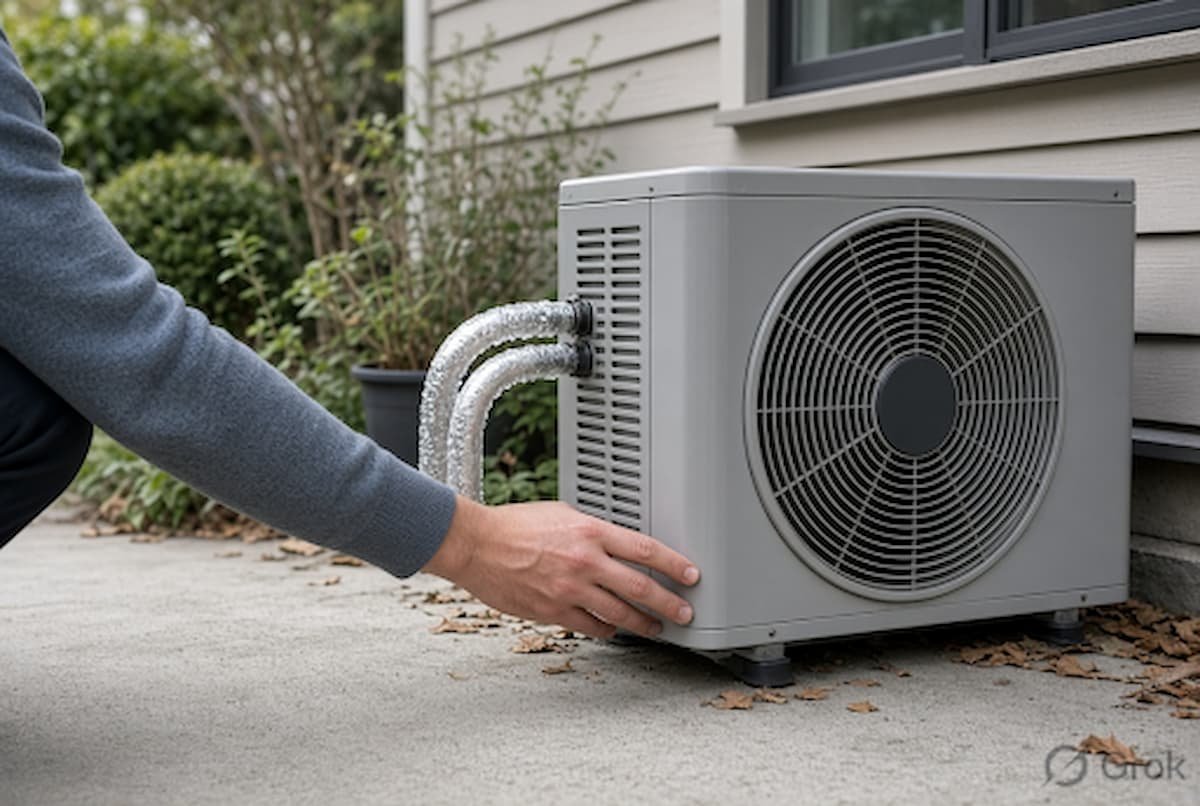
- Look at the outdoor unit for obvious debris, bent fins, or blocked airflow.
- Check the circuit breaker or disconnect switch.
These actions solve a surprising number of everyday complaints and give the technician better information if service is still required.
When to Call an HVAC Technician
Contact a professional when:
- Air remains warm after filter and thermostat checks.
- You see ice on the coil that returns after thawing.
- Water continues to leak.
- Strange noises, burning smells, or electrical issues appear.
- The system short cycles or runs without satisfying the thermostat.
- You suspect refrigerant problems or compressor trouble.
Refrigerant handling, electrical diagnosis, and internal component replacement require proper tools, recovery equipment, and training. Attempting these repairs yourself can void warranties and create safety risks.
Frequently Asked Questions
Why is my air conditioner blowing warm air?
The most common reasons are an incorrect thermostat setting, a dirty filter, a frozen coil, low refrigerant, or a compressor issue. First confirm the thermostat is set to cool and the temperature is below the room reading, then replace the filter. If the air stays warm, turn the system off and call a technician—refrigerant and compressor problems are not DIY fixes.
What causes weak airflow from the vents?
Clogged filters, blocked vents, dirty indoor coils, or duct leaks are the usual suspects. Change the filter and make sure every supply and return vent is fully open. If airflow remains weak in some or all rooms, a professional should inspect the blower and ductwork.
Is it normal for my AC to make noise?
A steady, quiet hum is normal. New rattling, screeching, grinding, or persistent clicking is not. Loud or metallic sounds mean you should shut the system down and schedule service to avoid further damage.
Why does my air conditioner smell musty?
Moisture on the indoor coil or in the drain pan often leads to mold or mildew growth, especially after the system has been idle. Replace the filter and check that the condensate drain is clear. If the odor continues, a technician can clean the coil and pan properly.
What should I do if I see water leaking near the indoor unit?
A clogged condensate drain is the most frequent cause. Turn the system off to prevent water damage, then check the drain outlet for visible debris. Persistent leaks need professional clearing of the line and inspection of the drain pan.
Conclusion
Air conditioner problems rarely appear without earlier clues. Warm air, weak airflow, odd noises, odors, leaks, ice, or irregular cycling each point toward a limited set of causes. Simple homeowner checks—filter, vents, thermostat, and outdoor clearance—resolve many minor issues and prevent unnecessary service calls. When those steps do not restore normal operation, timely professional help protects the equipment and restores comfort faster. Paying attention to warning signs and responding appropriately keeps most systems reliable through the cooling season and beyond.